


Frequently Asked Question
Most foreign nationals require a visa to enter Tanzania. Visitors can obtain a tourist visa online through the Tanzania Immigration website or upon arrival at major entry points. It's advisable to check the latest visa requirements for your specific country before traveling.
The best time to visit Tanzania largely depends on what you want to see and do. For wildlife safaris in Serengeti National Park, the dry season from late June to October is ideal. For climbing Mount Kilimanjaro, the best months are from July to October and from January to March.
Tanzania is generally considered safe for tourists, especially in tourist areas and national parks. However, as with any travel destination, it's important to take standard safety precautions, such as guarding personal belongings and avoiding travel to isolated areas alone, especially at night.
The Tanzanian Shilling (TZS) is the official currency. Major hotels and tourist establishments generally accept credit cards, but it's advisable to carry some cash, especially when traveling to remote areas. ATMs are available in larger towns and cities.
Tanzania is renowned for its stunning wildlife and natural beauty. Must-visit places include:
- Serengeti National Park for the Great Migration
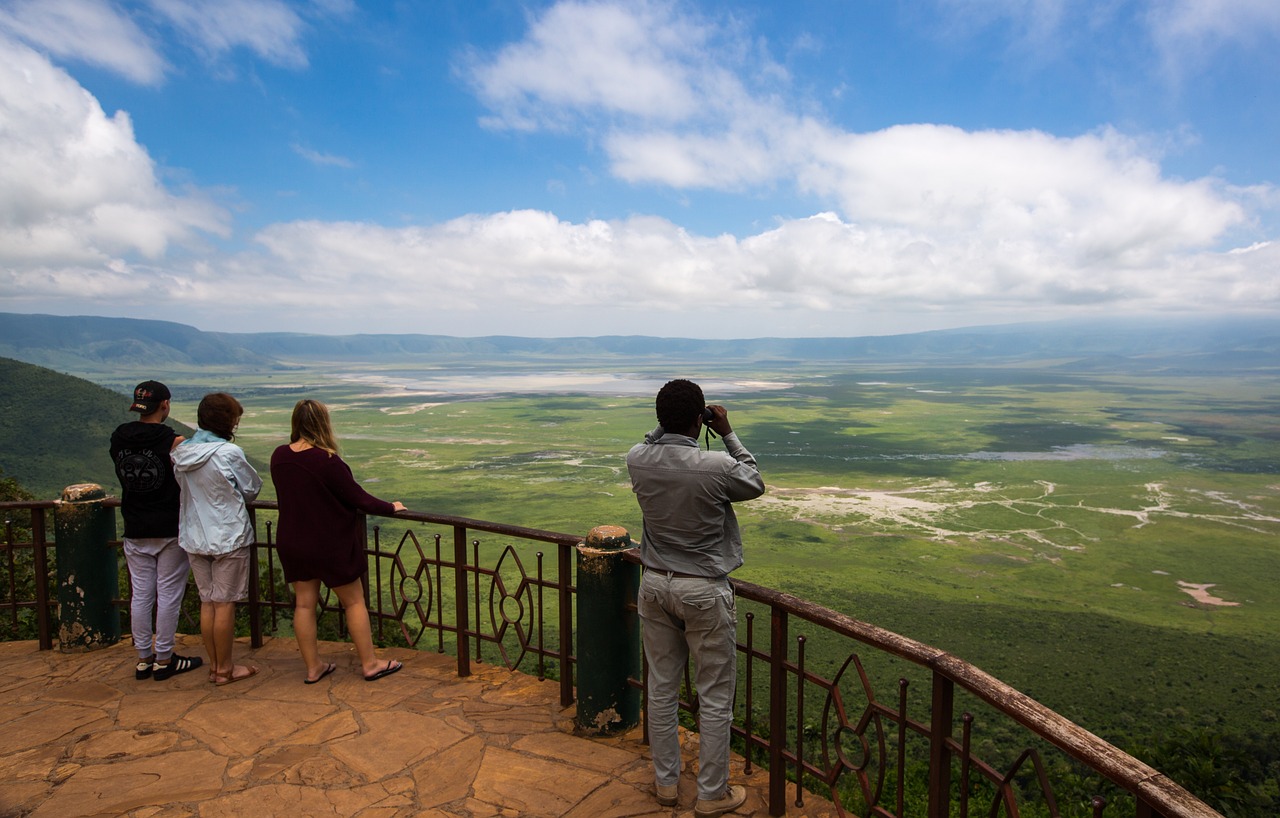
- Ngorongoro Crater for incredible wildlife viewing
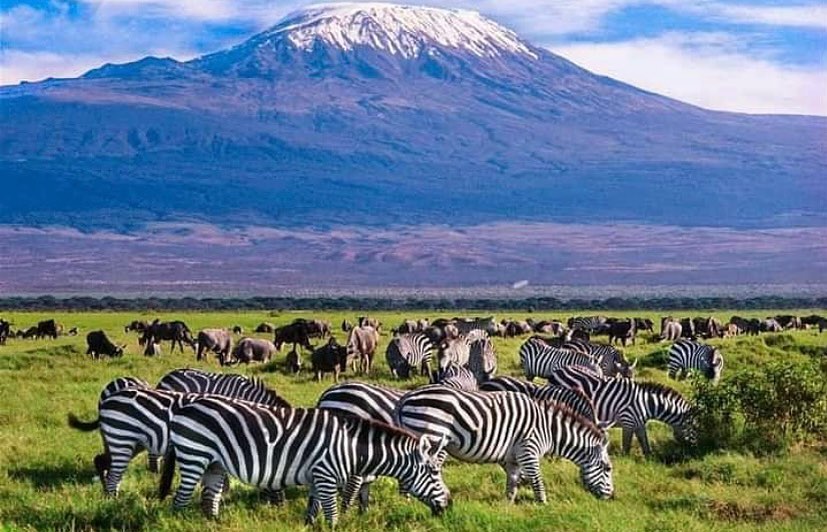
- Mount Kilimanjaro, Africa's highest peak
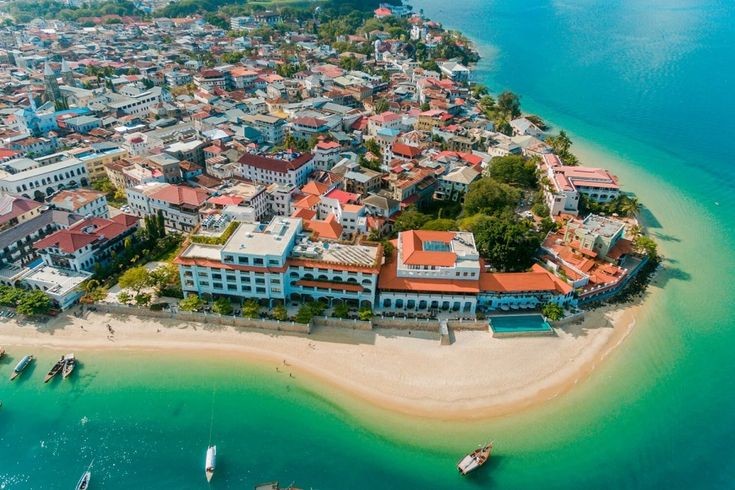
- Zanzibar Island for beautiful beaches and rich cultural history
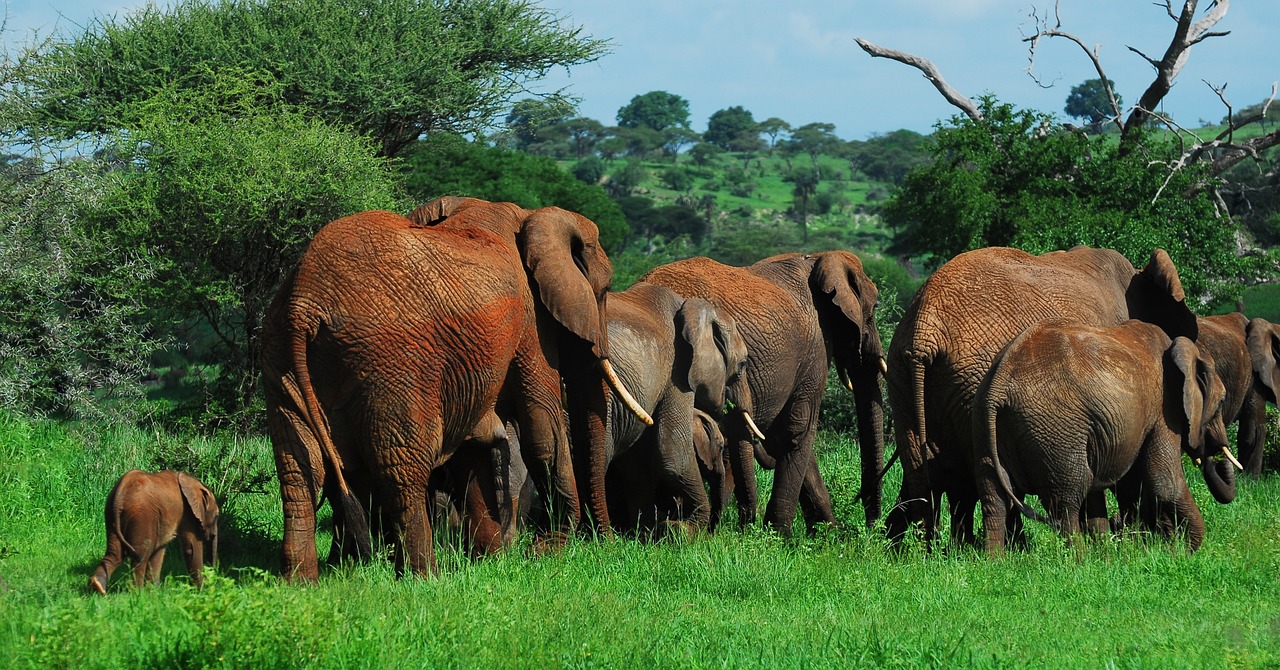
- Tarangire National Park, known for its elephant population
Swahili is the national language of Tanzania, and English is widely spoken, especially in tourist areas and by people working within the tourism industry.
t's advisable to drink bottled or filtered water during your stay in Tanzania. Avoid drinking tap water unless it has been boiled, filtered, or chemically disinfected.
Tanzania uses the British-style Type G electrical plug. The standard voltage is 230V. Travelers may need a plug adapter and/or voltage converter for their electronic devices.
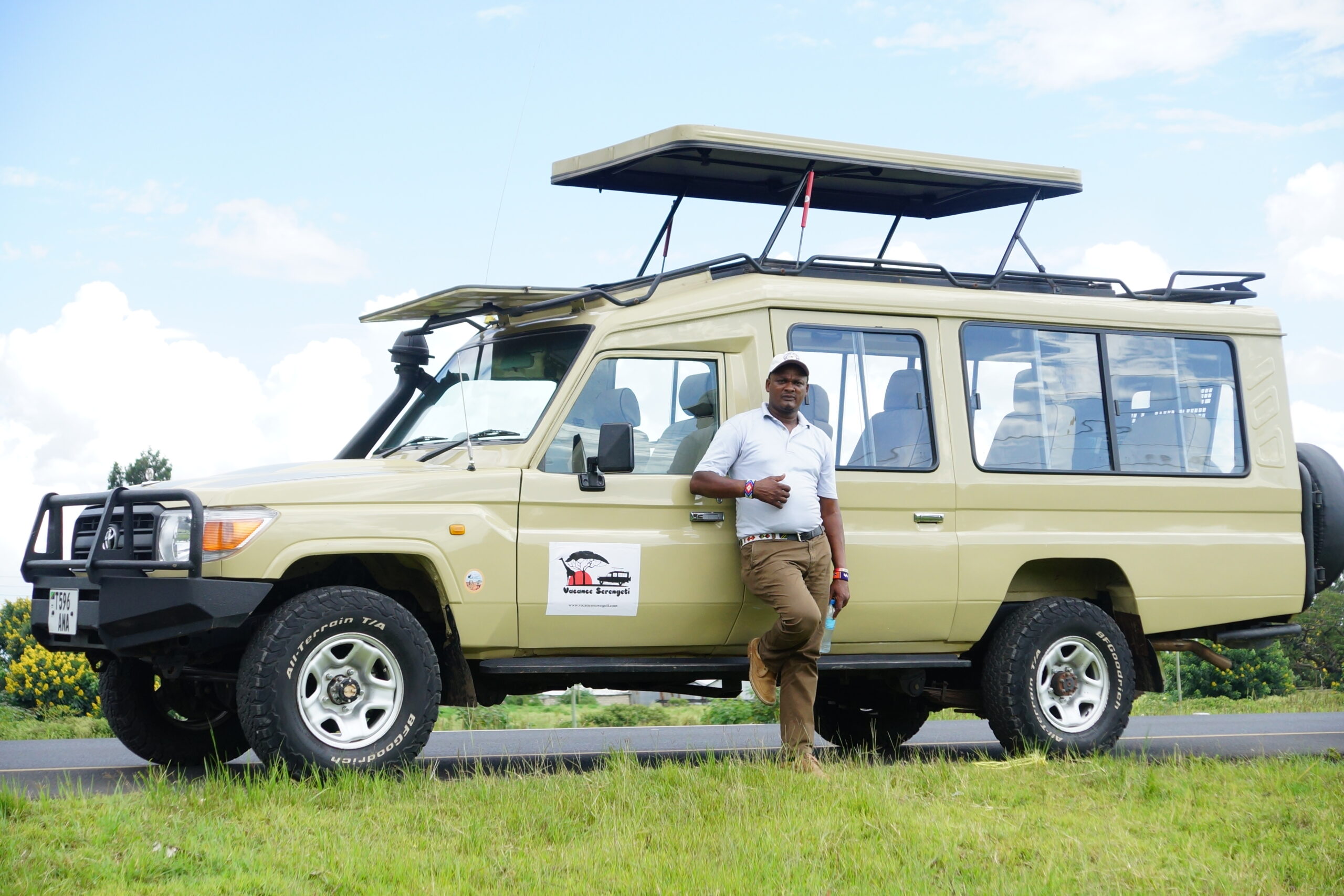
Options for getting around include domestic flights, buses, and rental cars. For safaris and tours to national parks, it's often best to arrange transportation with a reputable tour operator.
Tanzania's climate varies from tropical along the coast to temperate in the highlands. The country experiences two main rainy seasons; the long rains from March to May and the short rains from November to December. The best time to visit depends on the activities you're interested in, but generally, the dry season (June to October) offers the best wildlife viewing conditions.
For a safari, it's recommended to pack light clothing in neutral colors, a warm jacket for early morning and evening game drives, comfortable walking shoes, sun protection (hat, sunglasses, sunscreen), insect repellent, binoculars, and a camera. Also, consider bringing a waterproof bag to protect your electronics from dust and rain.
Tanzanians are known for their politeness and hospitality. It's customary to greet people with a handshake followed by "Jambo" (hello) or "Habari" (how are you). When visiting villages or local homes, it's polite to bring a small gift, and always ask permission before taking photographs of people. Dress modestly, especially when visiting rural areas.
International roaming is available in Tanzania, but it can be expensive. A more cost-effective option is to purchase a local SIM card upon arrival, available at the airport or from local shops. Ensure your phone is unlocked to use a foreign SIM card.
Tanzanian cuisine offers a variety of dishes influenced by African, Indian, and Arab traditions. Some must-try dishes include:
- Ugali (a staple made from maize flour) served with fish, meat, or vegetable stew
- Nyama Choma (grilled meat)
- Chapati (flatbread)
- Pilau (spiced rice)
- Samosas (fried or baked pastry with a savory filling)
To respect wildlife and preserve the natural environment, always maintain a safe distance from animals, stay on designated roads and trails, avoid making loud noises, do not feed the wildlife, and take all trash with you. Follow the guidance of your safari guide at all times.
Tanzania offers a wide range of accommodation options, from luxury lodges and tented camps in national parks to budget hotels and hostels in cities and towns. Beach resorts are popular on the coast and in Zanzibar. It's advisable to book accommodation in advance, especially during peak tourist seasons.
Yes, it's highly recommended to have comprehensive travel insurance that covers medical expenses, trip cancellations, luggage loss, and emergency repatriation. Ensure your policy covers all the activities you plan to undertake, including safari and any adventure sports.