


What is the Best Time to Visit Tanzania?
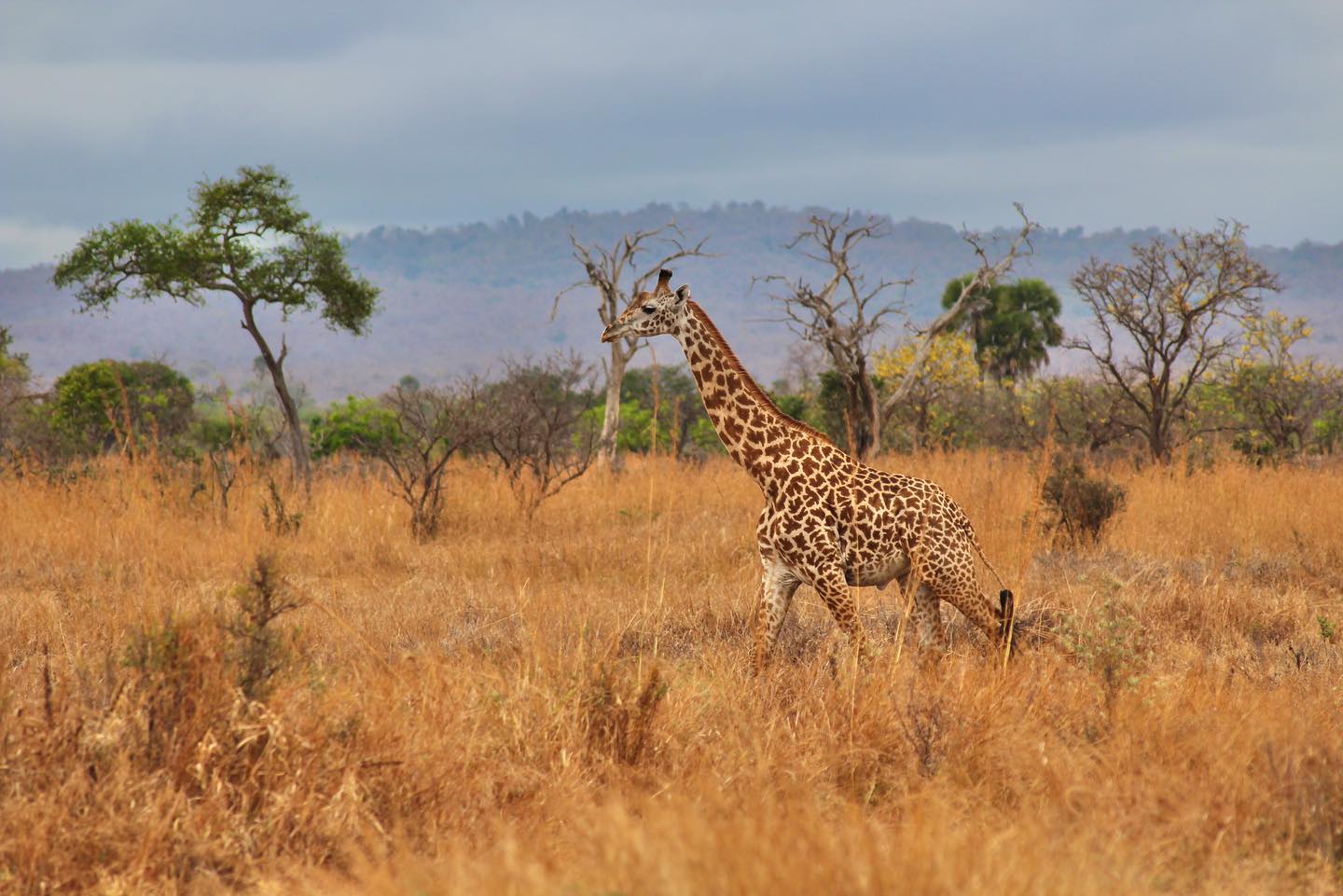
There is no specific answer to this question. The best time to travel to Tanzania depends on the activities that you wish to take upon. Different parts of the country have different attractions and they have their own best times to visit. Tanzania is good to visit at any time of the year.
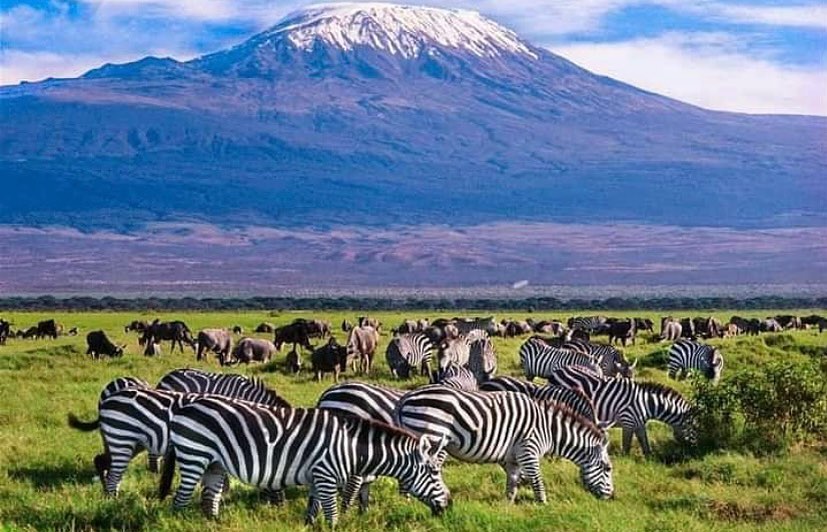
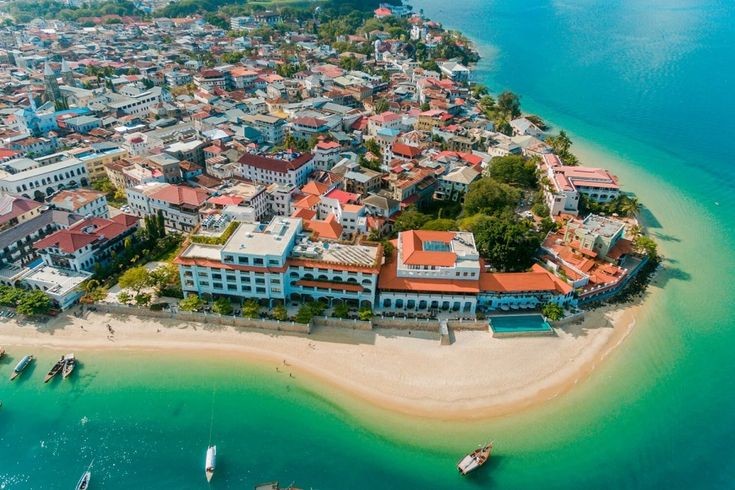
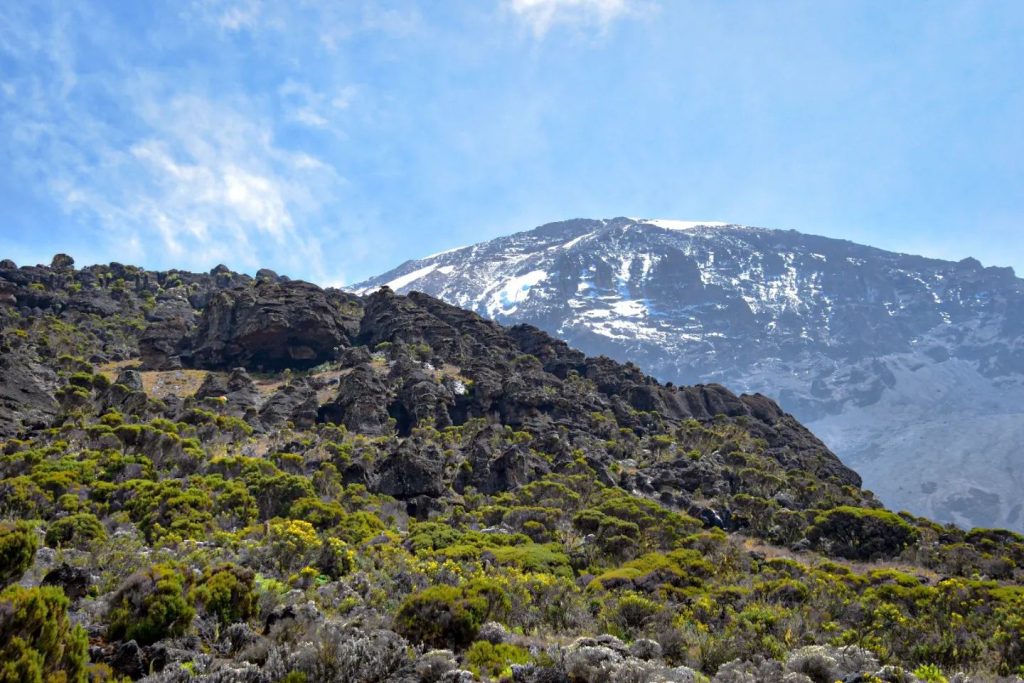
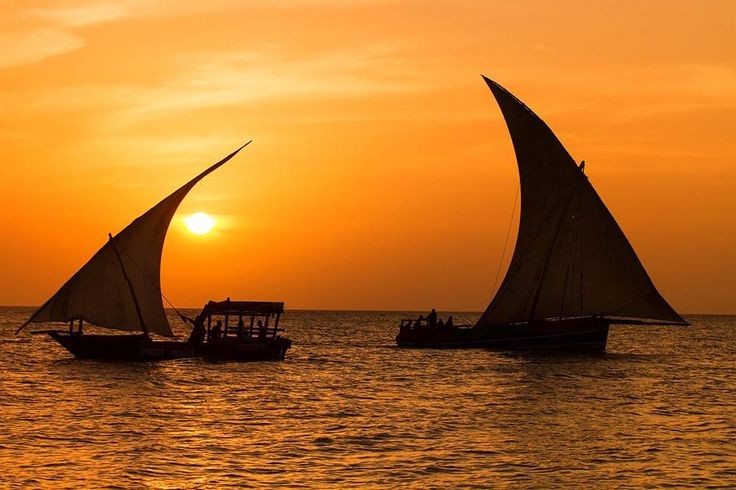
Any time of the year is good to travel for wildlife lovers. But, if you wish to witness the Great Migration, then the right time is between July and October. For beach lovers, the right time to visit the Zanzibar beaches would be between June and October. Likewise, if you wish to conquer Mt. Kilimanjaro, there are two distinct seasons to consider, namely January to March and June to October.
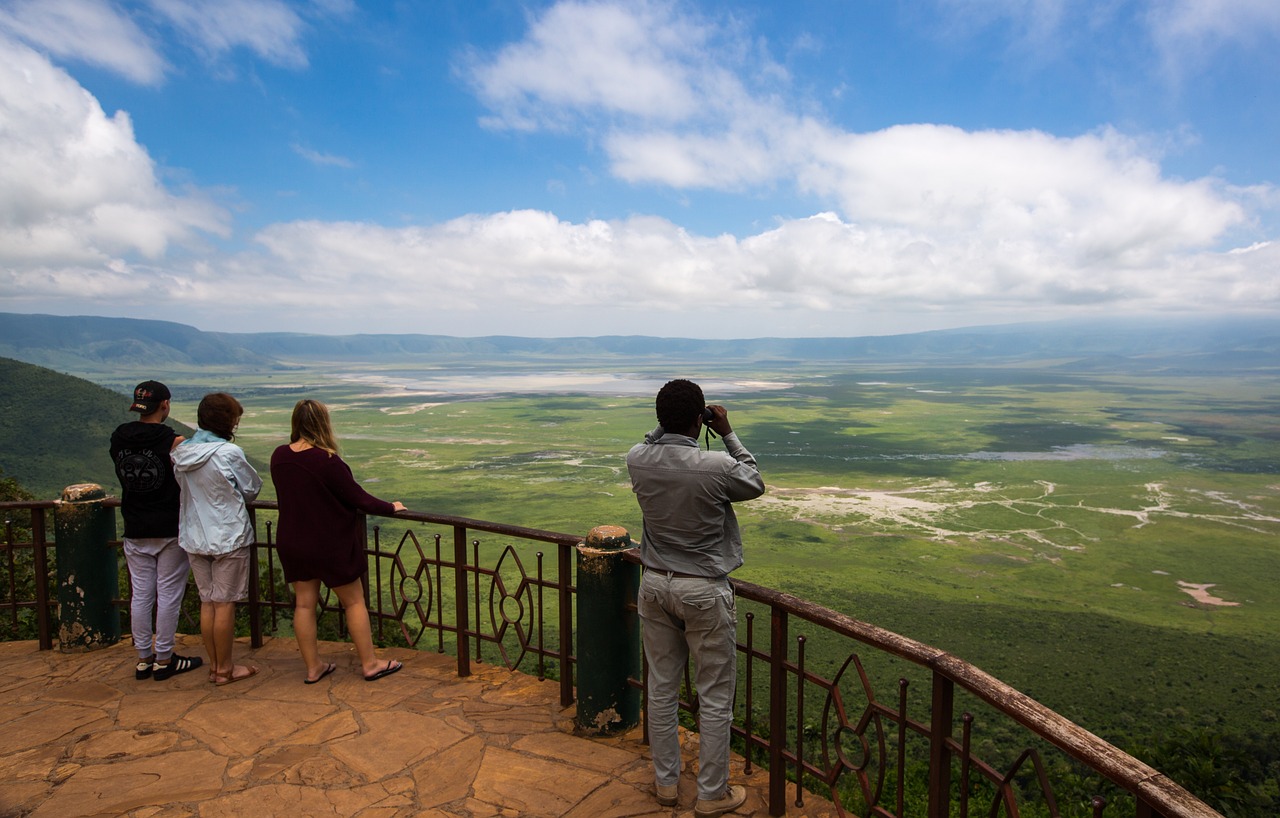
Daytime temperatures generally range from 15-25°C (60-80°F) and 4-10°C (39-50°F) at night from May to October From November to March, the days range between 21-32°C (70-90°F) and nights between 15-23° C (59-73°F) At any time of the year, temperatures drop considerably in the high altitude areas like Kilimanjaro and Ngorongoro Crater.
The crater rim can be surprisingly cold – bring warm clothes!
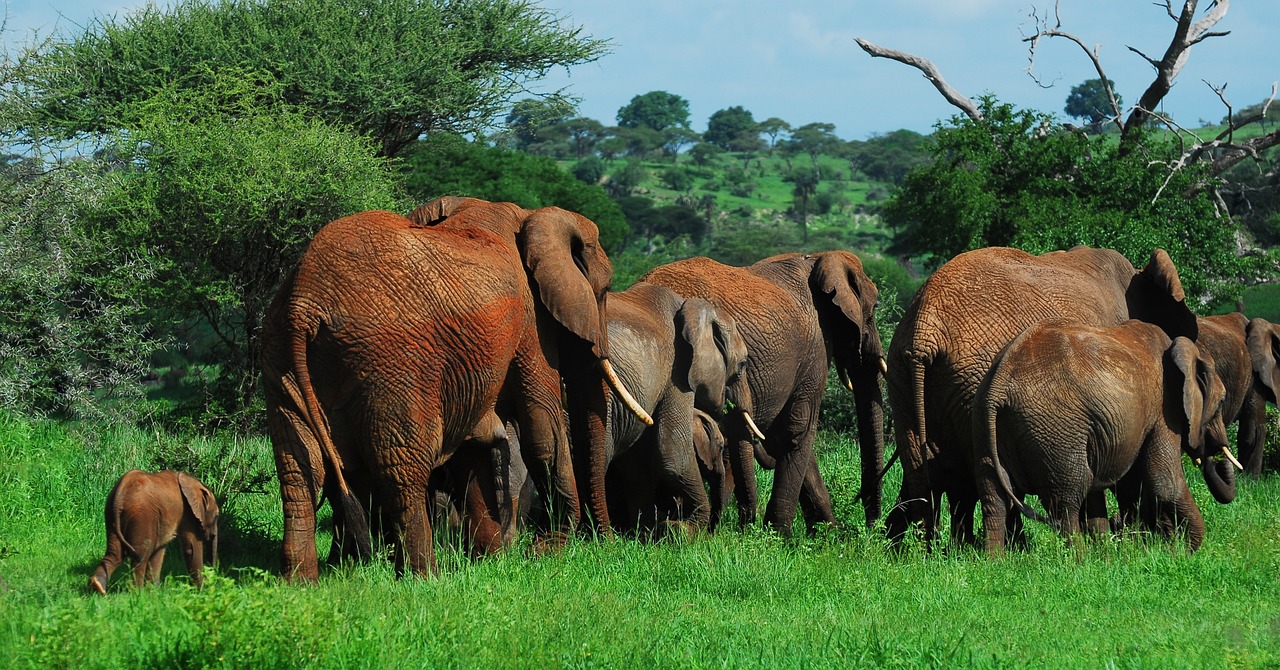
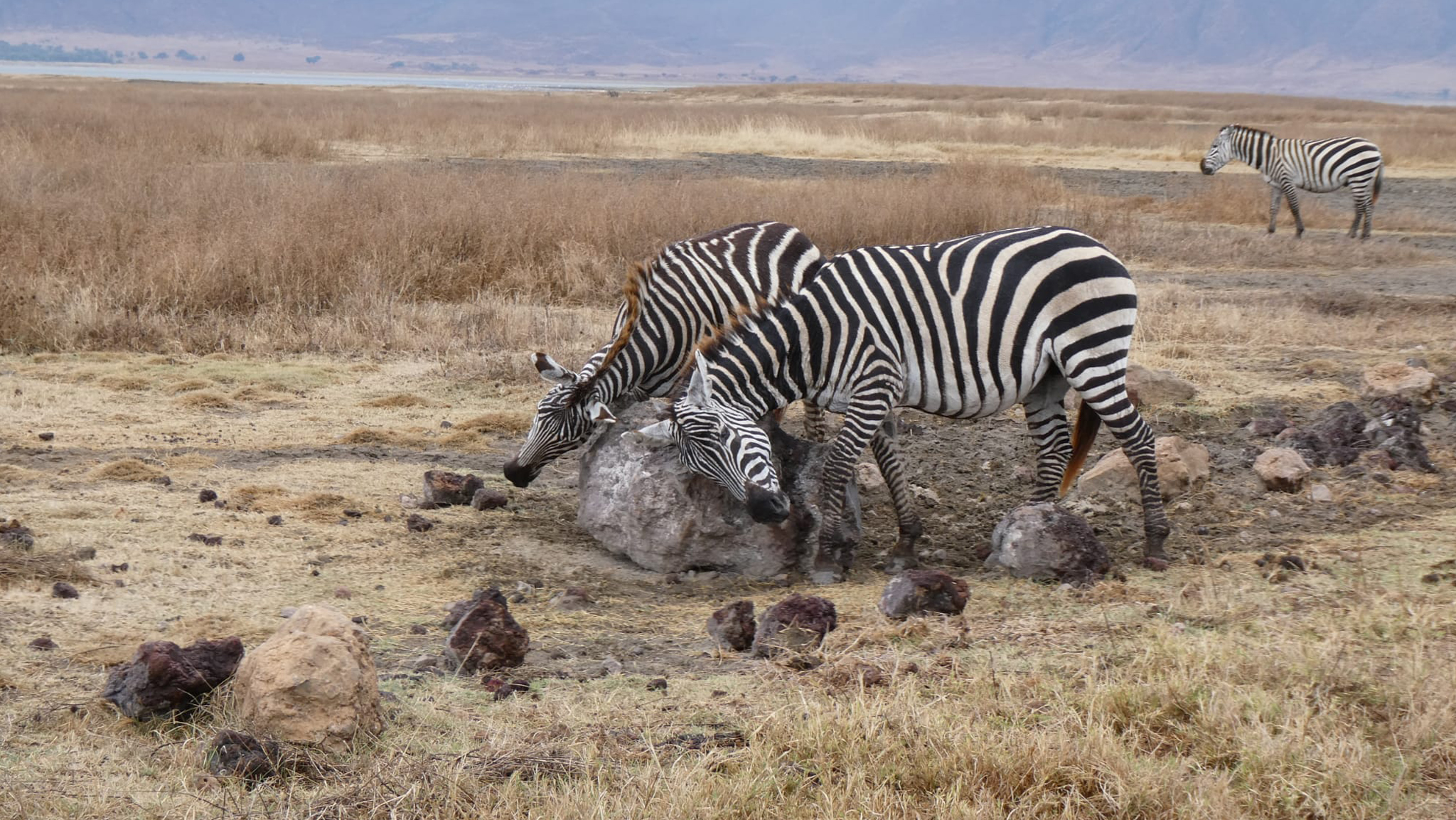
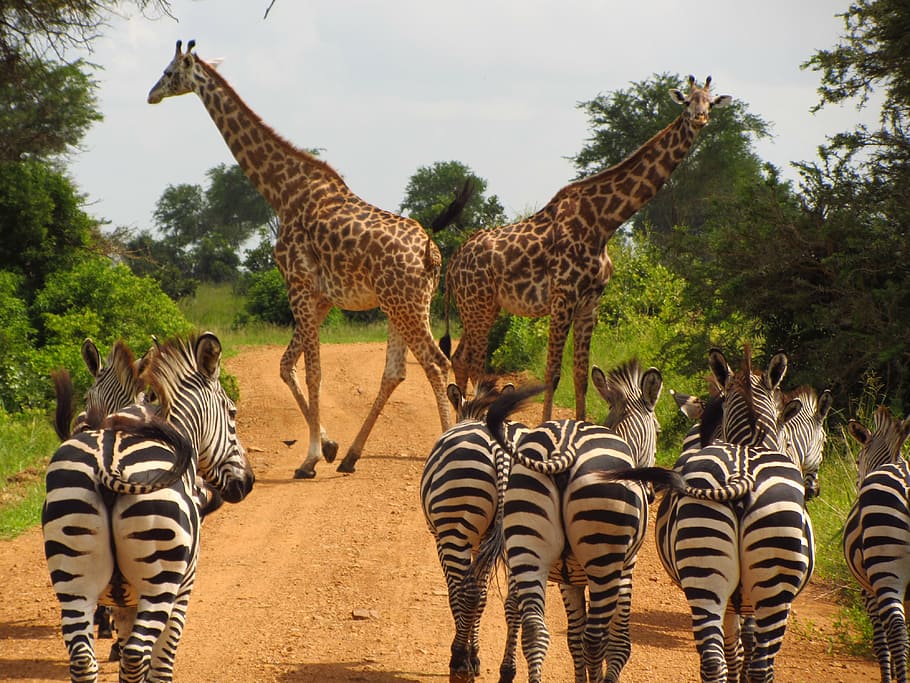
Within the Serengeti/Ngorongoro ecosystems, there is plenty of resident game throughout the year. The Great Migration is undoubtedly the biggest draw card, but don’t feel limited by it.
The Serengeti is a fantastic year round safari destination. Predicting movements of the herds is often educated guesswork – every year is slightly different.
The movement of the migratory herds does not follow a set schedule and depend largely on weather patterns, rainfall, and food supply. Southern Tanzania has many lesser-known hidden gems and is far less crowded than the northern safari circuit.
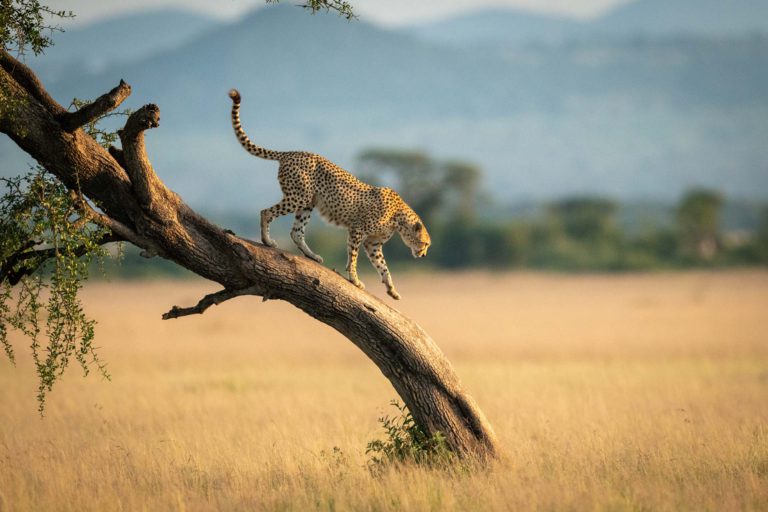
January - March
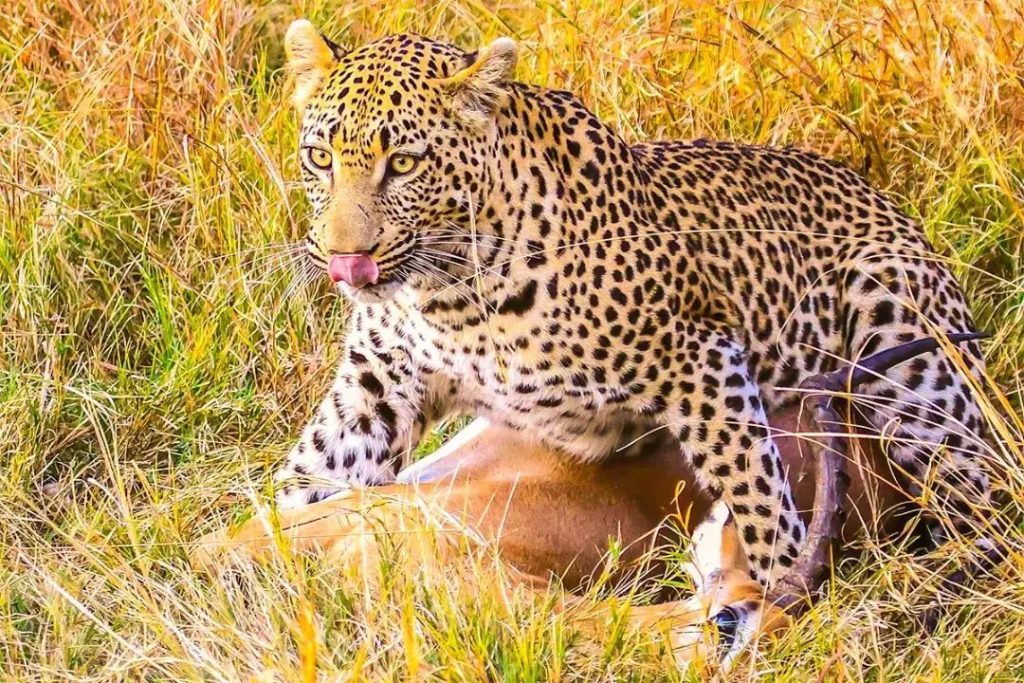
Big herds of wildebeest gather in the southern plains of the Serengeti and Ndutu regions. Peak calving season occurs over about 2 to 3 weeks during February. Many predators are attracted to the area. Visibility is usually excellent with animals on the open plains. You may book in advance for this time of year if you want to visit Ndutu and the southern plains. January and February are reasonably dry, but March sees the start of the rainy season.
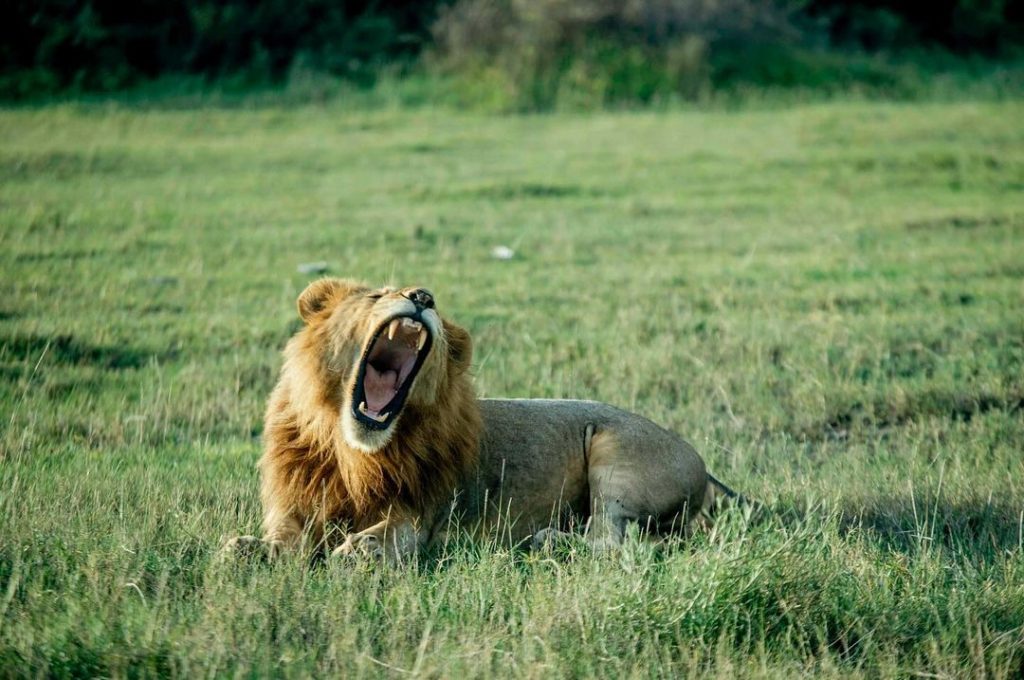
April - May
This is the low season, but is still a good time to travel There are fewer visitors, less crowding, less dust. It is the rainy season (the long rains) but it does not rain all day, every day. In southern Tanzania, many camps close during this time as some roads become impassable. Skies with thunderclouds are often dramatic and sunsets are spectacular which make breath taking backdrops for photographs. Most lodges and hotels offer lower rates at this time. In general, the herds gather around central Serengeti and start to move towards Grumeti.
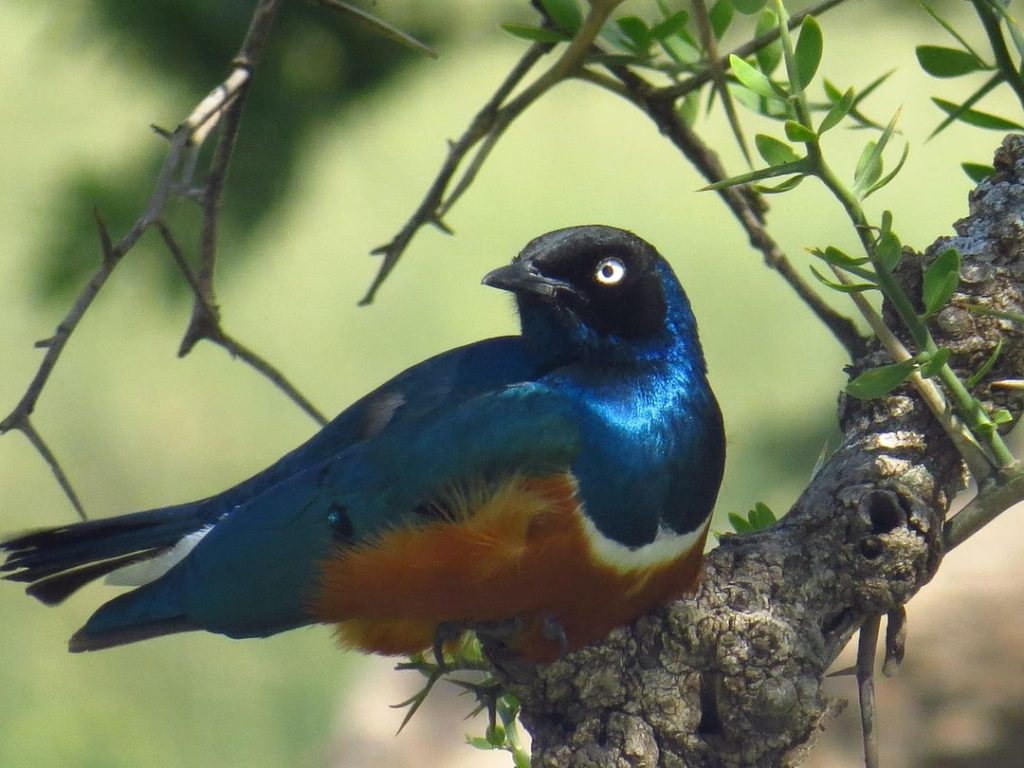
June to July
On this peak season the herds of wildebeest move northwards toward Kenya. The Seronera region, Grumeti region and northern regions are the place to be.
The herds cross the Grumeti River and start to move toward the Mara River in the northern Serengeti. The exact timing of their movements depends on annual rainfall patters and differs from year to year
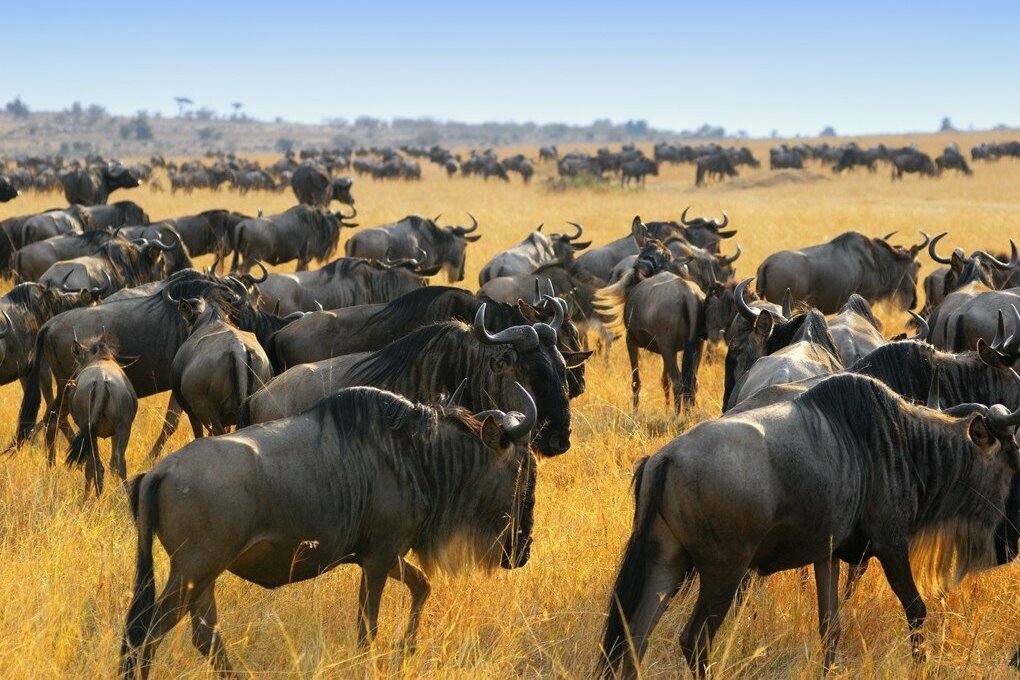
August - October
It is still peak safari season for both northern and southern Tanzania. By now, the Great Migration has reached the Maasai Mara in Kenya. Thousands of wildebeest make the dangerous river crossings – one of the most spectacular annual wildlife scenes you can witness. Huge crocodiles patrol the rivers waiting for the herds to cross.
Many die during the crossings, but thousands more make it across safely. Hundreds of thousands of wildebeest roam the Maasai Mara reserve while huge herds still remain in the northern reaches of the Serengeti.
Time and patience usually pay off for those who stay in the area at this time – further river crossings often occur but the exact time and place is impossible to predict. Sometimes the herds bunch together on the riverbank for days before they start to cross. You need a bit of luck to witness a river crossing. Kenya may be a better destination during this time if you want to see the migration and the river crossings. By October, the herds start moving back south again, into the Serengeti.
November to December
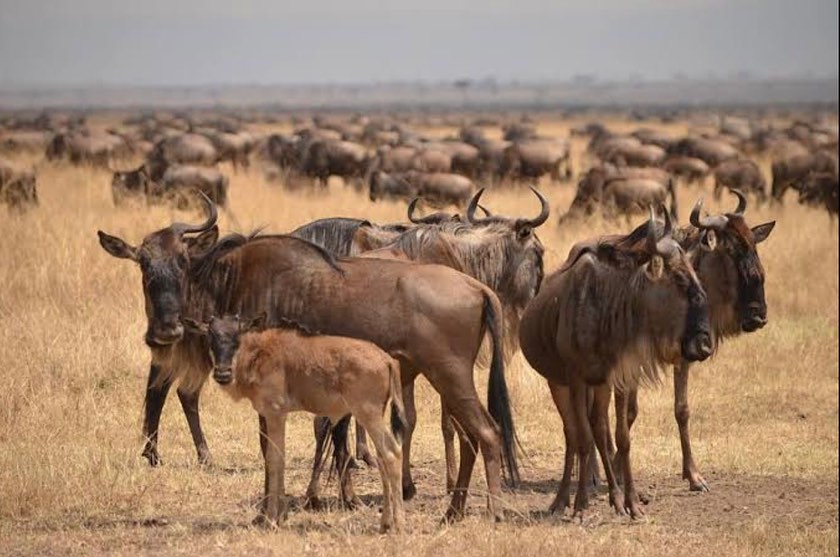
The larger herds start to make their way back from the north. The migration continues southwards across the Serengeti toward the southern plains. The short rains bring the first green grass to the southern plains. Once more, the migration cycle begins anew.
This is a less crowded time to visit Tanzania but a really good option for those who still want great game viewing with fewer vehicles around.
Short, dramatic thunderstorms are possible.
The short answer is; Yes!
Tanzania is one of the safest destinations in Africa, with more than 1 million tourists visiting the country every year. Travelling with the travel experts at Vacance Serengeti, safety is paramount. Our private safari experiences with knowledgeable, professional guides enhance your experience in Tanzania and ensure your total peace of mind.
The population of Tanzania is almost 60 million. One of Africa’s most ethnically diverse countries, around 125 different ethnic groups live in Tanzania, with more than 100 different languages spoken national wide.
The Tanzanian people are well-known for their hospitality, often warmly welcoming tourists to experience their beautiful nature, wildlife and culture. Meeting the locals is one of the best ways to really learn more about a country and its culture and is well recommended on your Tanzania discovery!
Most international travellers will need a visa to travel to Tanzania. Your visa can be requested online through the official visa website from the Tanzanian government. Please note that this is the only official link for Tanzania visa applications.
It is also possible to get a tourist or business visa for a single entry on arrival at the main ports of entry to Tanzania. This visa for Tanzania is valid for three months. You may be asked to provide proof of your return journey, and costs are $100 per person.
When arranging your trip to Tanzania with Vacance Serengeti, we guide you through every step of the visa and administration process.
Passports should have at least six months of validity after the final day of travel.
A yellow fever vaccination certificate is only required for travellers one year of age and older coming from – or who are in airport transit for more than 12 hours within – a country with risk of yellow fever transmission.
In addition to standard vaccinations such as MMR and TDP, the CDC and WHO recommend vaccinations for Tanzania, such as Hepatitis A, hepatitis B, and typhoid. Yellow fever and rabies vaccinations are also recommended depending on the traveller’s activities. As of January 2023 there are no more COVID-19 restrictions in Tanzania, and vaccinations or PCR-tests are no longer necessary before traveling.
As with all international travel, we always advise you to consult your physician for professional health advice before travelling to Tanzania.
Tanzania is GMT + 3. To put that into terms we all understand, check out the time difference from Tanzania to LA, New York, London, and more below.
- Los Angeles: -10 hours
- New York: -7 hours
- London: -3 hours
- Berlin: -2 hours
- Hong Kong: +5 hours
- Tokyo: +6 hours
- Sydney: + 8 hours
- Auckland: +10 hours
The local currency is the Tanzanian shilling(TZS), although dollars and euros are also accepted in most places in Tanzania.
There are over 100 different languages spoken in Tanzania. The official languages, however, are Swahili and English. You can expect all your Vacance Serengeti guides and hosts to speak English, but if you’re looking to learn a few words of Swahili before your trip, check out our list of top 25 useful words in Swahili!
Swahili and English are the official languages in Tanzania, but Swahili is spoken by almost everyone. In the tourism sector, however, English is widely spoken by the majority of people.
Travelling in Tanzania is more than just a vacation. For many explorers of Tanzania, this is a bucket-list adventure to remember for a lifetime. For detailed Tanzania travel advice or to start planning your custom vacation in Tanzania, contact us now.
We look forward to welcoming you to Tanzania soon!
Tanzania’s food is safe to eat in most parts of the country. However, we advise not to eat cold or pre-prepared foods and reheated food. Similarly, drinking tap water is not safe in the country. We recommend drinking bottled, retreated or filtered water to avoid any kind of health hazards. To minimize your exposure from any bacterial infection, we suggest that you brush your teeth with bottled water. Peel the raw fruits or vegetables before consuming it to avoid contamination from harmful or toxic objects.
Wash the fruits that you wish to eat with filtered or bottled water only. Stay off from ice as you don’t know the source of the water used to make ice. Prefer to have your drink without any ice rather! Do not eat dairy products if they are not pasteurized and try avoiding salads as much as possible.
The electricity supply is 220 or 230 volts and the sockets take plugs with three pins, two of which are flat. So you do not need an adapter.
Things to carry
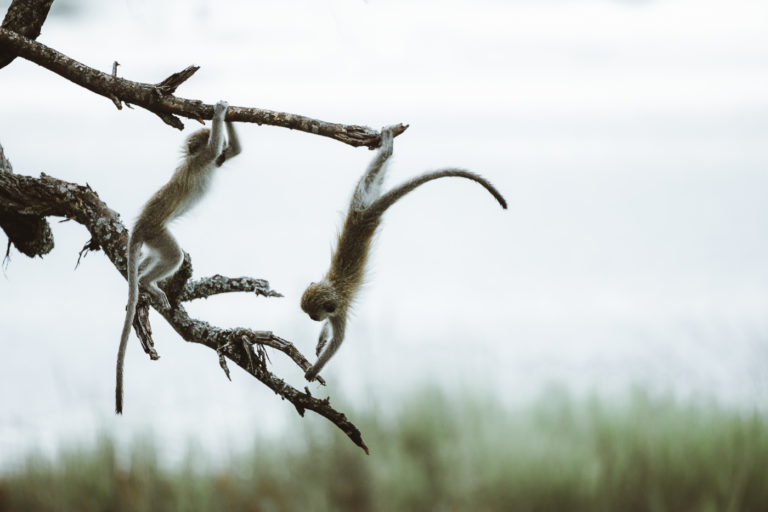
Camera
Chances are you’ll want a camera for your trip to Africa.
Safari Clothes
Lightweight, beige, and moisture-wicking clothing are great for traveling Africa.
Safari Hat
A good hat is both stylish and functional.
Safari Bag
A durable bag is ideal for traveling around Africa.
Safari Pants
We recommend neutral-coloured pants as they’re great at hiding dirt and can match most shirt colours
Safari Shirt
Shirts like these are lightweight and keep the bugs away!
Safari Boots
Shirts like these are lightweight and keep the bugs away!
Travel Adapter
You’ll need a special travel adapter for traveling Africa. Get one before you get there so you don’t pay a premium on the ground.